


Blogs
Most enterprises have deployed generative AI. Most have seen little return. The missing layer is agentic AI, and the missing constraint is governance. What operations leaders need to know.

RPA was right for its era. Rules-based bots break on unstructured data, dynamic decisions, and regulatory explainability. Why governed agentic AI, not more bots, is the practical next step.

Up to 95% of AML alerts are false positives, a figure well-corroborated across industry sources. Agentic AI can reduce that burden, but only if the governance layer makes every decision explainable and defensible.
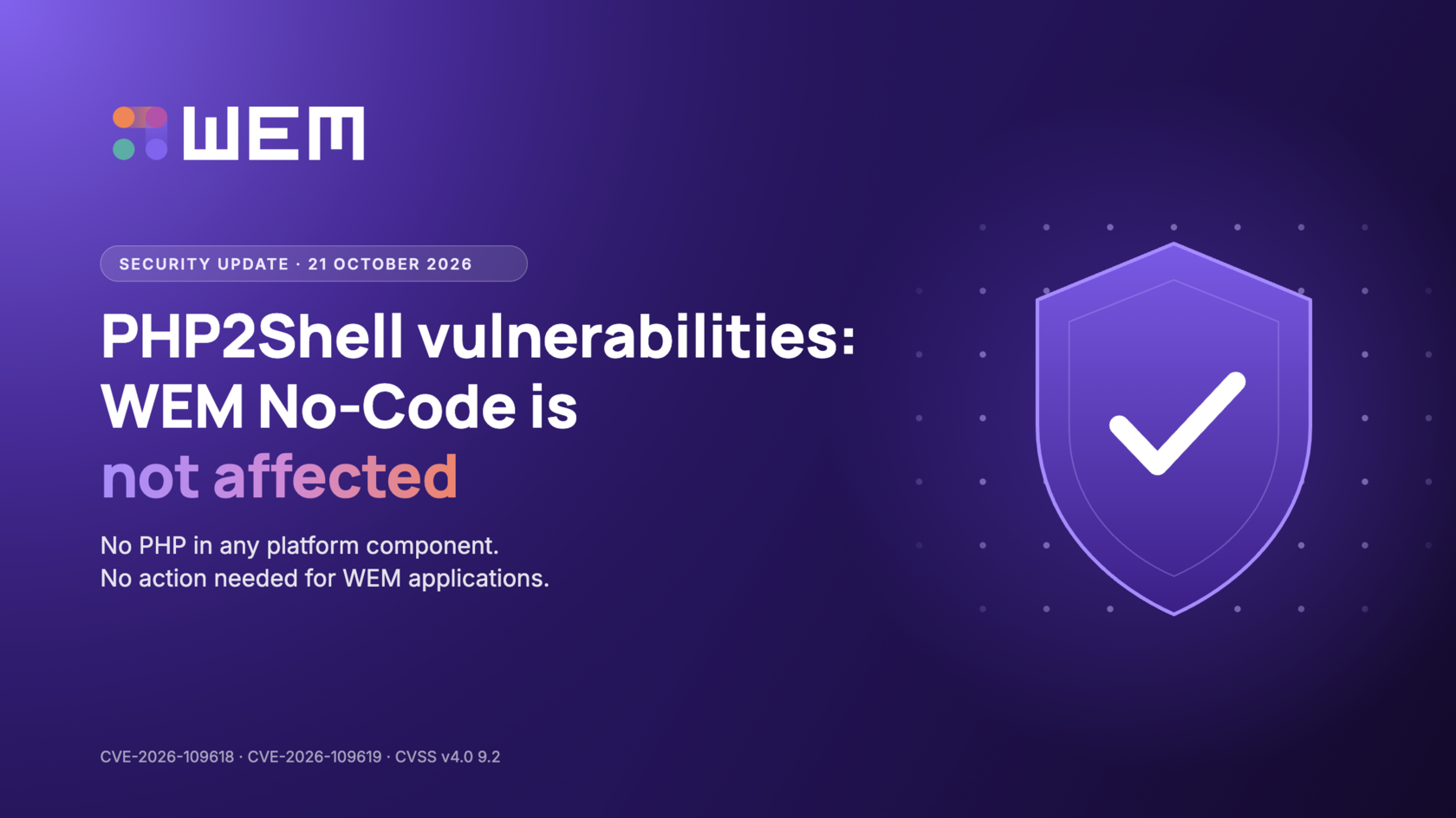
WEM No-Code is not affected by the PHP2Shell vulnerabilities (CVE-2026-109618, CVE-2026-109619). No PHP runs in any platform component, so no action is needed.
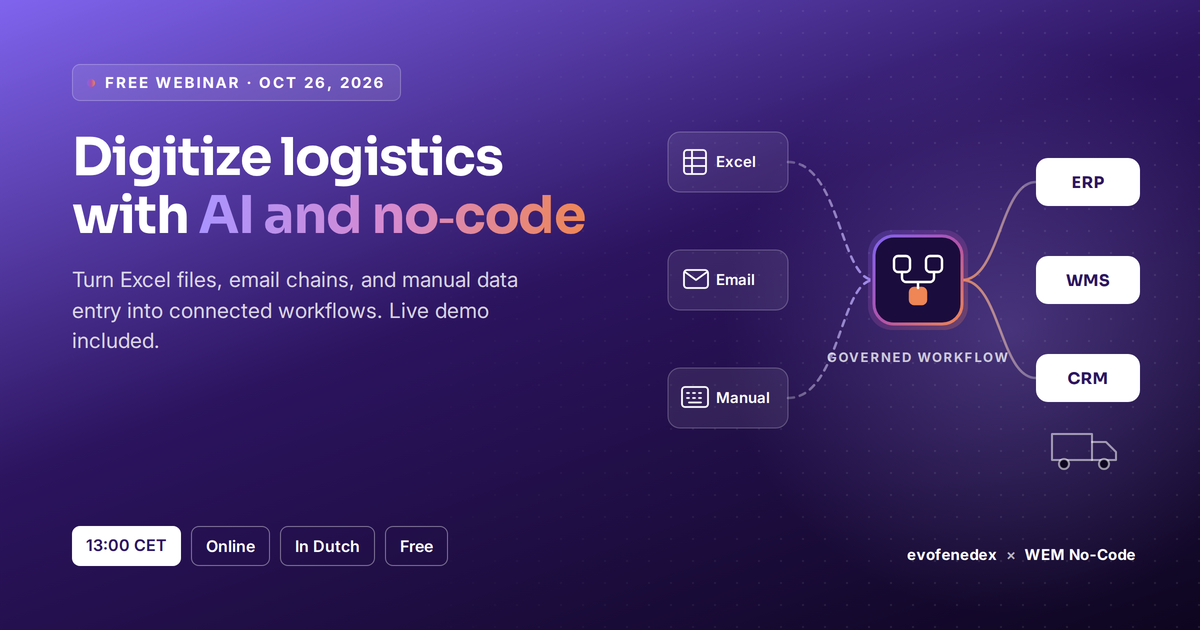
Digitize logistics without a big IT project. Free evofenedex x WEM No-Code webinar on Oct 26, 2026, with a live demo of AI and no-code workflows. In Dutch.
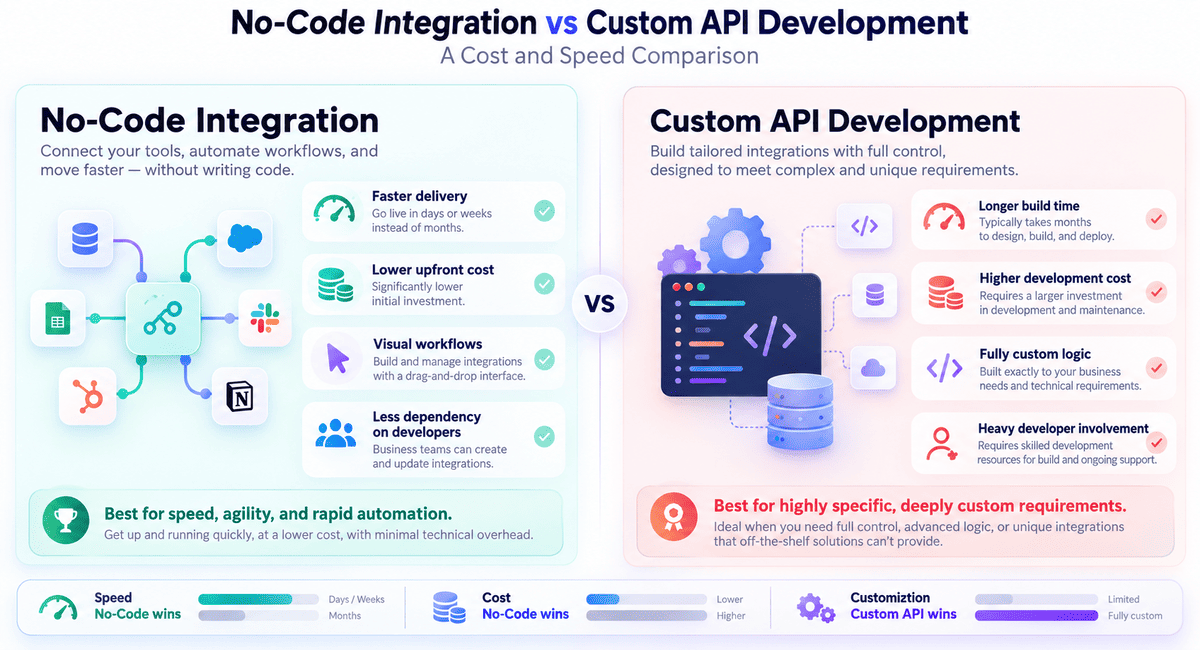
Custom API development costs $50K-$150K per integration per year, well-documented across independent sources. What no-code integration actually costs instead, and where custom development still wins.
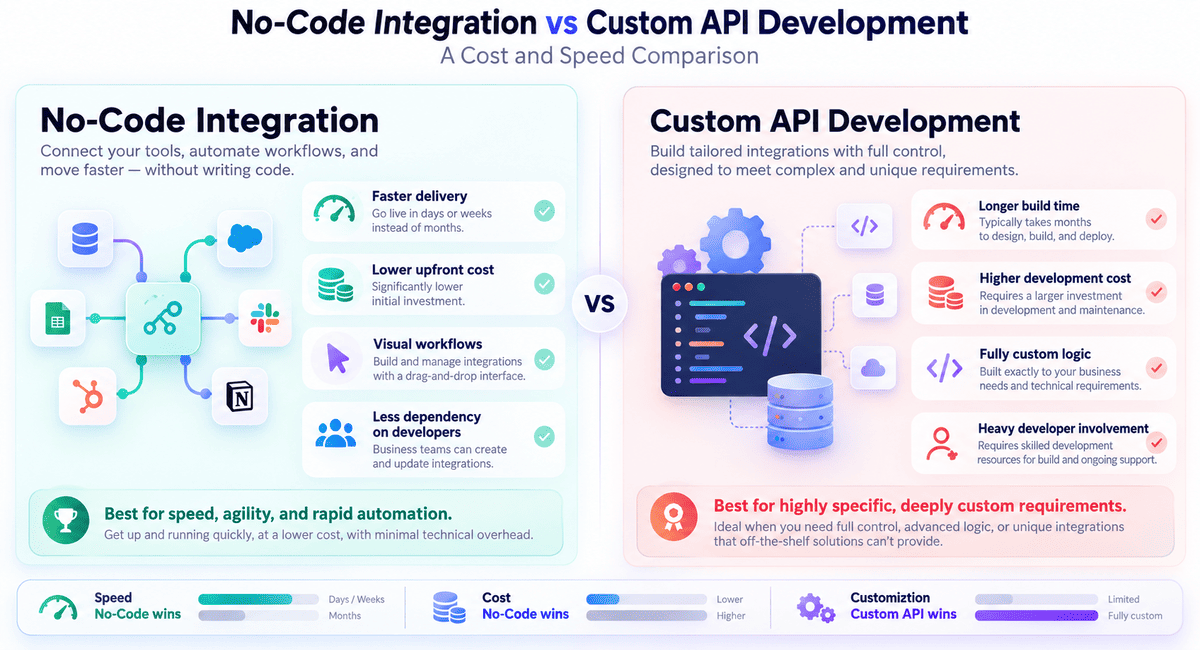
Custom API development costs $50K-$150K per integration per year, well-documented across independent sources. What no-code integration actually costs instead, and where custom development still wins.

Patient intake, documentation, prior authorization, and billing are high-frequency, high-consequence workflows. Where AI agents fit, and what to actually verify before trusting a vendor's compliance claims.
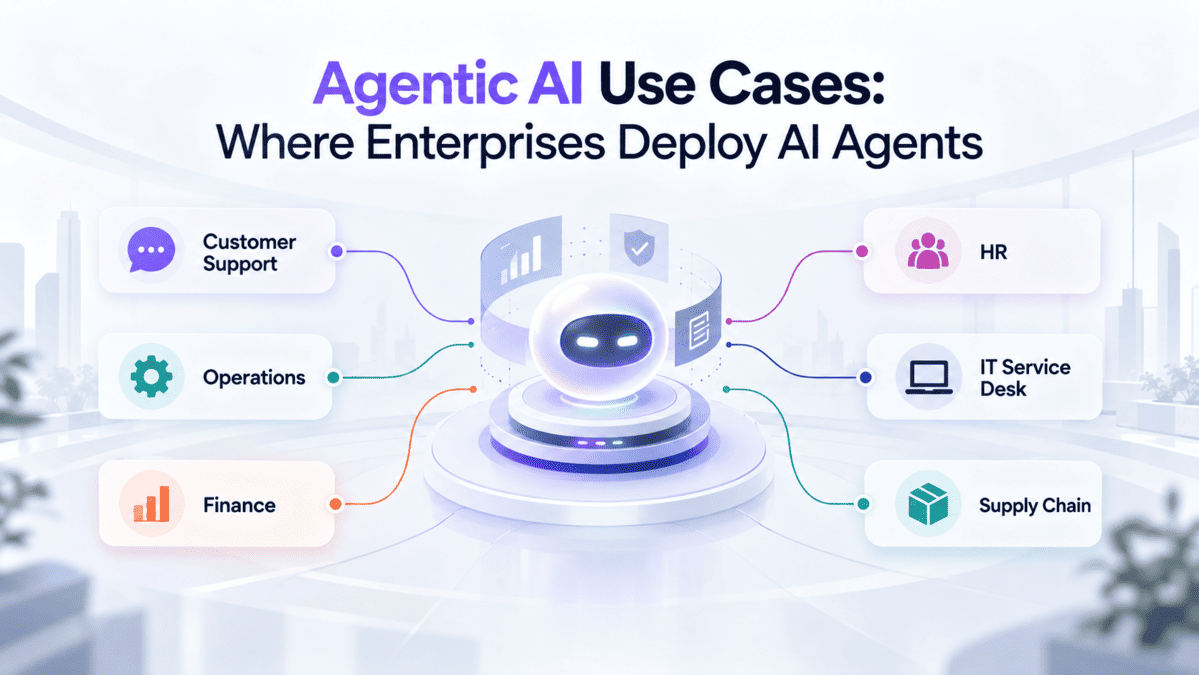
Agentic AI works where a process has multiple steps, variable input, and real consequences. Where that's actually true today, and what governance looks like at each one.
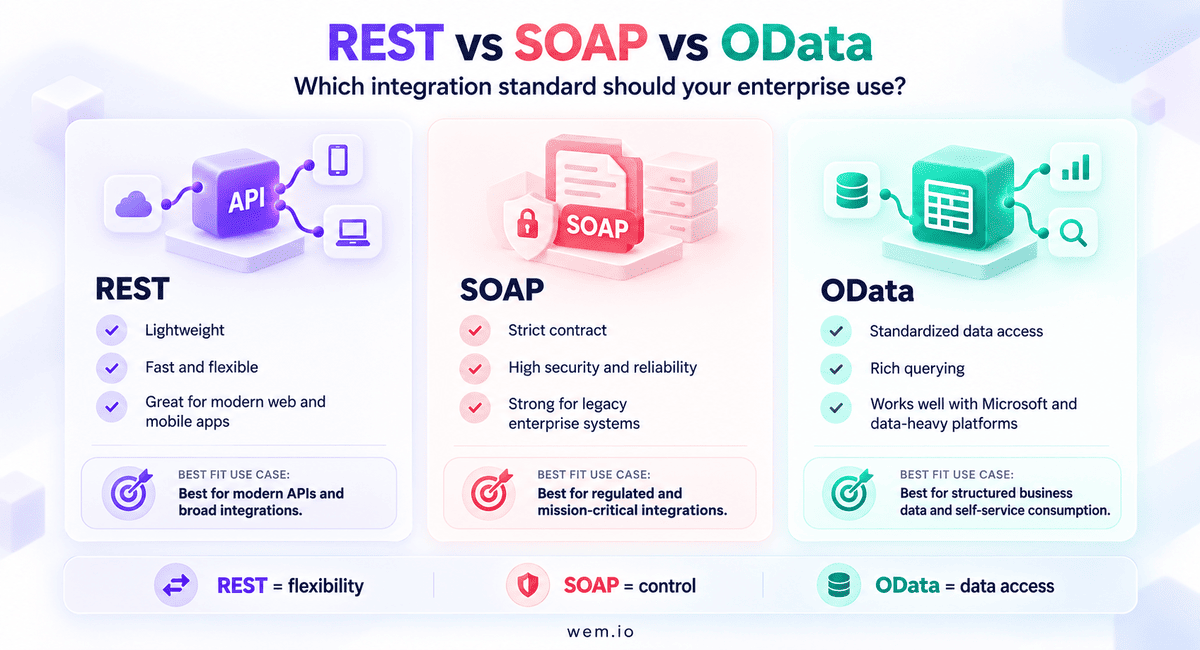
REST, SOAP, and OData each serve different enterprise integration scenarios. The trade-offs across data format, governance, and SAP compatibility, and the orchestration layer that governs all three.
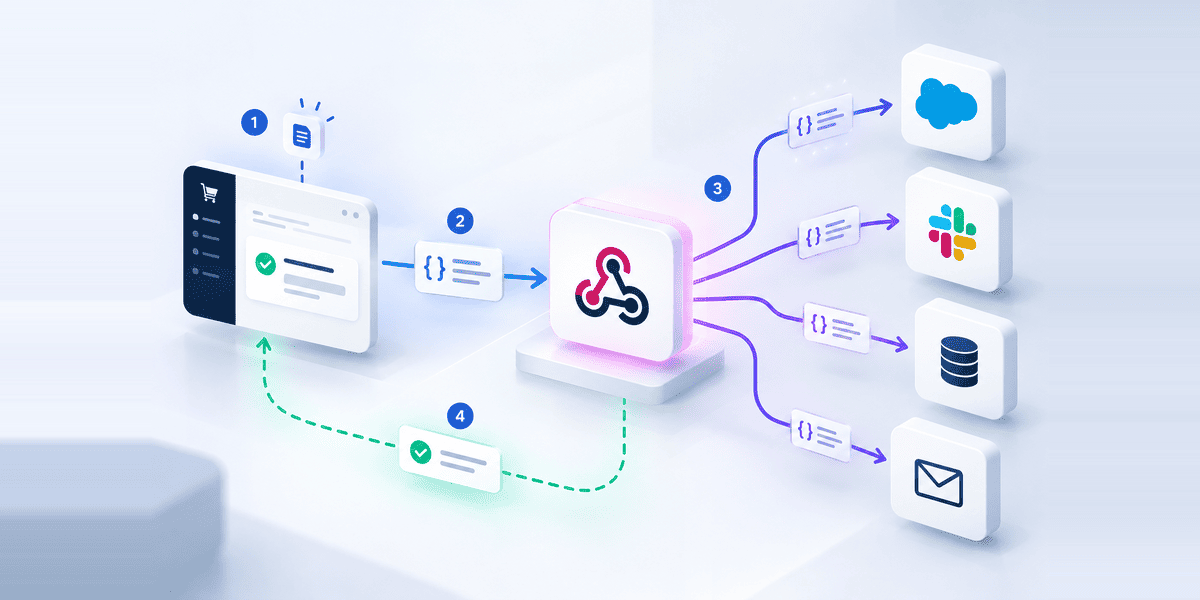
A webhook sends data automatically when an event occurs, no polling required. How webhooks work, the failure modes most guides skip, and the governance layer enterprise teams need to operate them safely.

DORA enforcement is active. Most institutions focused on cybersecurity and missed the process documentation problem. Here's what audit activity is actually looking for.

The checklist every regulated enterprise needs before deploying AI agents. Seven governance practices mapped to NIST AI RMF, EU AI Act, GDPR, and DORA, verified against source, not just cited.
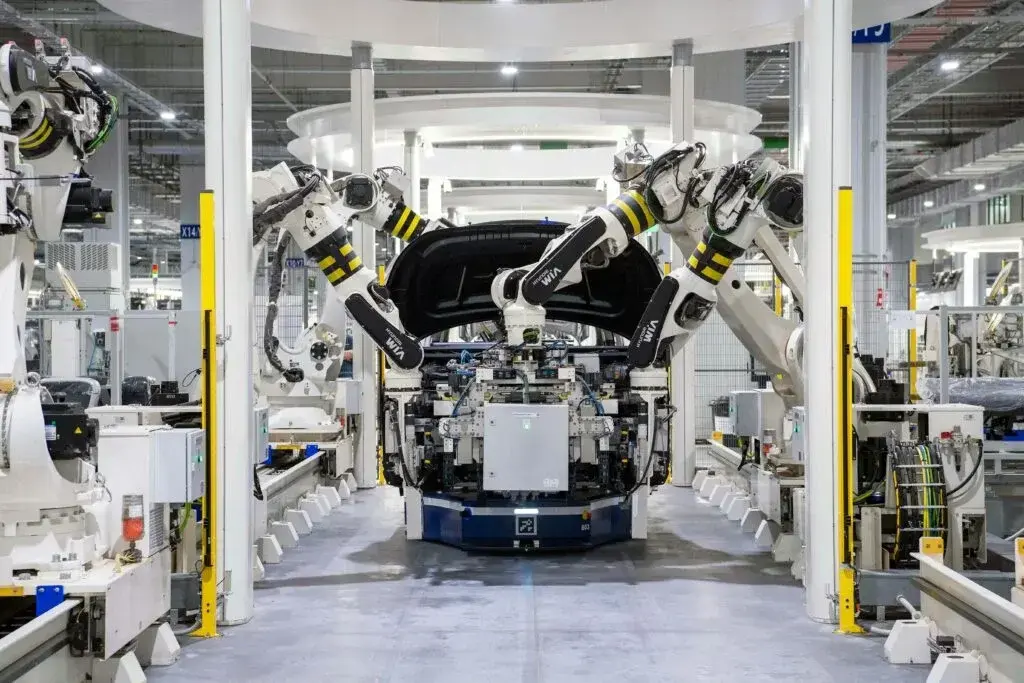
A typical European factory floor runs on layers of systems that don't talk to each other—MES, ERP, OT, and a decade of point tools. Here's how no-code connects them into one operational layer, without ripping out the systems your operations depend on.

Some processes can't make a user sit and wait—batch jobs, integrations, heavy data operations. Here's what your platform handling those tasks asynchronously actually buys you, in five concrete business terms.

Inflation and operational costs are climbing, and the reflex—cut headcount—has a floor. The more durable answer is doing more with the people and systems you already have: no-code and governed automation that remove manual work without a multi-year transformation budget.

When a regulator asks why your AI made a decision six months ago, "the AI said so" isn't an answer. What an AI audit trail actually needs to contain, and why building it after deployment leaves gaps.

RPA automates the task. BPA redesigns the process. Most organizations reach for RPA first and wonder why ROI stalls. Here's how to tell which one you need, and when the answer is neither.

Speed and cost savings are the obvious part of BPA. See the compliance, scalability, and AI-readiness benefits most lists skip, with real WEM No-Code examples.

The Annex III high-risk deadline just moved to December 2027. Most enterprises still haven't classified their AI systems. Here's what changed, and what to do now.
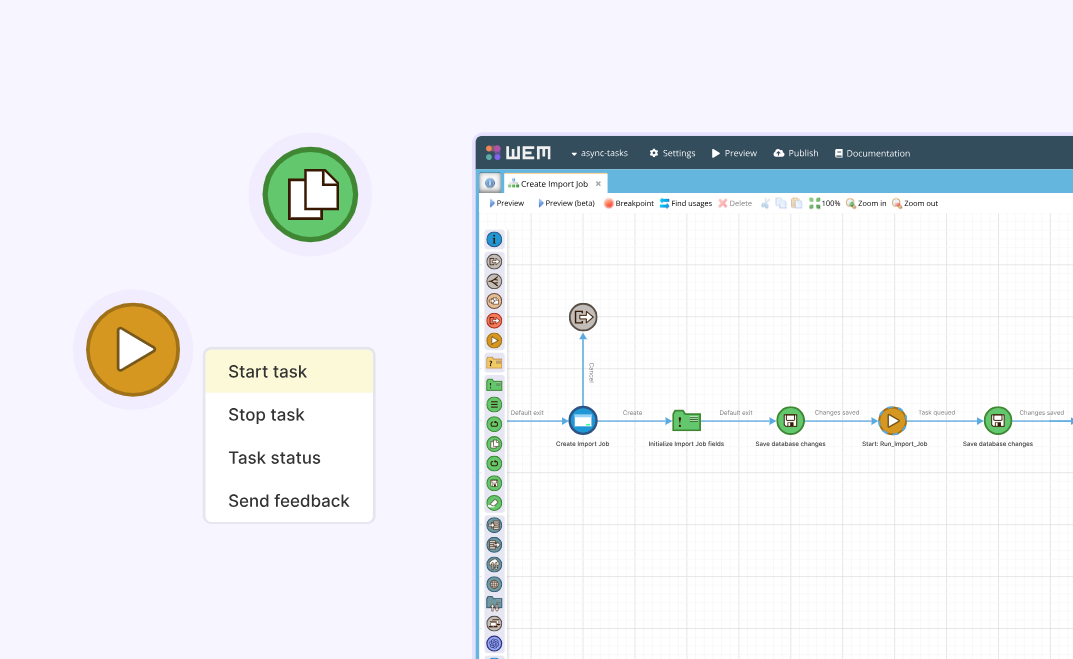
WEM 4.2 brought performance, security, and scalability improvements across the platform. Note: WEM has since moved to 5.0—see the latest release for current capabilities.

Chatbots answer questions. AI agents take action across workflows, and in regulated industries that gap is a compliance liability. How to tell the difference before your regulator does.
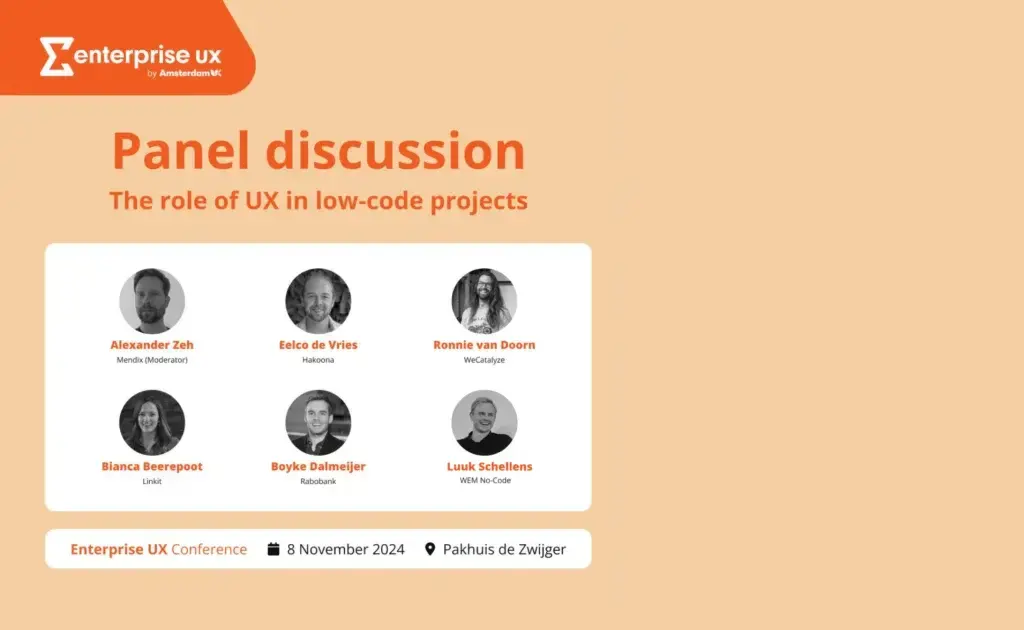
Enterprise applications are notorious for clunky interfaces, and "built fast on no-code" can sound like a recipe for worse. Here's the case that governed no-code and strong UX aren't a trade-off—if the platform is built for both.
Most enterprises have deployed generative AI. Most have seen little return. The missing layer is agentic AI, and the missing constraint is governance. What operations leaders need to know.

Your PLM holds the product data, but the work happens in the gaps around it—change requests in spreadsheets, approvals over email, data re-keyed between PLM, ERP, and the shop floor. Here's how no-code apps connect those systems and close the gaps, without touching the PLM itself.
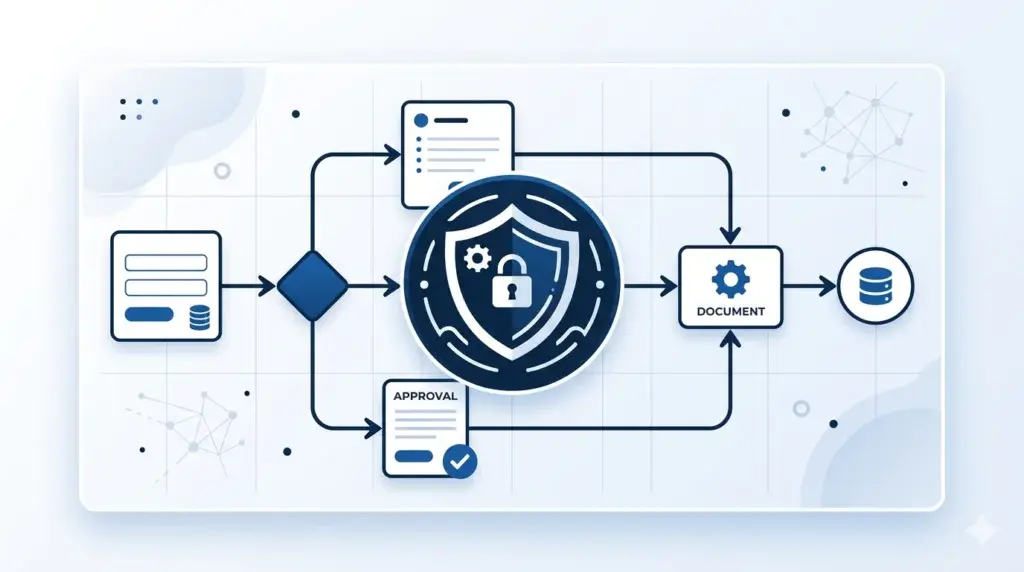
Your IT backlog is six months long. Your business team needs a new approval workflow by next week. The spreadsheet running half your operations has one owner, no audit trail, and no backup plan.

Even the most sophisticated enterprises face operational friction. In industries like...

80% of AI projects fail. 42% of companies abandon most AI initiatives. The question...
SAP S/4HANA is powerful. But let’s face it — implementing it is rarely quick or...

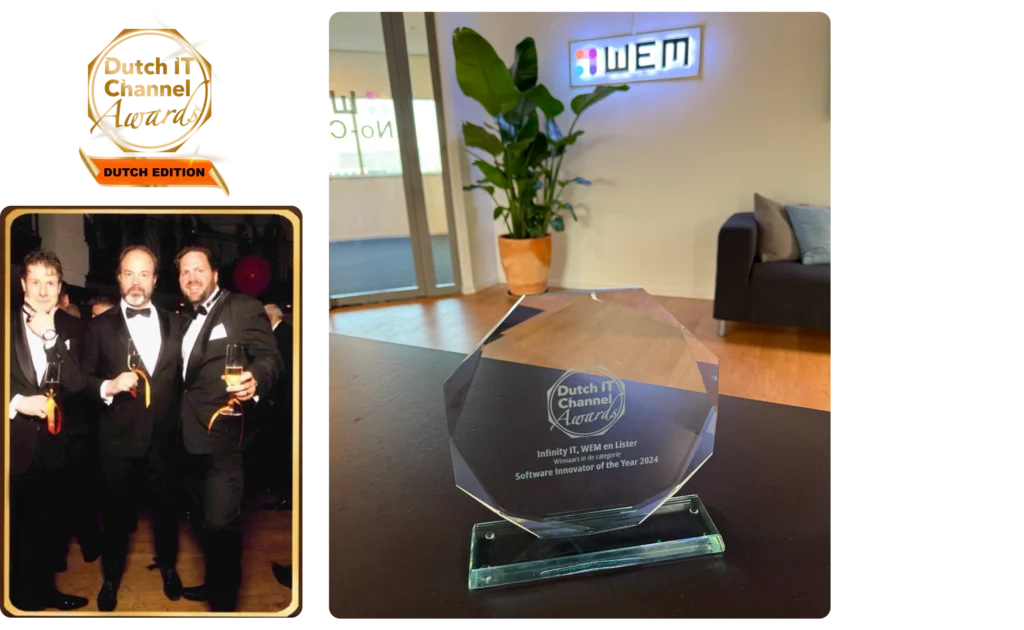
Amsterdam, Netherlands – July 29, 2025 – WEM No-Code has been named the...
RPA was right for its era. Rules-based bots break on unstructured data, dynamic decisions, and regulatory explainability. Why governed agentic AI, not more bots, is the practical next step.

Business process automation coordinates entire workflows, not single tasks. What BPA actually means, how it works, real examples, and where AI is taking it.
Up to 95% of AML alerts are false positives, a figure well-corroborated across industry sources. Agentic AI can reduce that burden, but only if the governance layer makes every decision explainable and defensible.

Human-in-the-loop isn't a yes or no decision. It has at least five implementation patterns, each matched to a different risk level. How to choose the right one and build a governance layer that scales.

Description

Description

Description
Description
Description

Description
Description

Description

Description

Description

Description

Description
Description
European healthcare providers are under intense pressure to streamline operations and innovate, amid staff shortages and rising patient demand.
Description
Description
Aging infrastructure, water loss, and tightening EU rules are straining utilities. Discover five water-sector pain points no-code can solve — securely, at speed.

Description
Supply chain disruption, labor shortages, route inefficiency, risk, and data overload are squeezing logistics teams. Here are five of the industry's hardest problems—and how AI paired with no-code turns each into something you can actually fix.
The milestones, product releases, and customer stories that defined WEM's 2024—and the foundation they set for what's next.
Industry 4.0 promises connected, intelligent operations—but most factory floors are still stitching together MES, ERP, and OT by hand. Here's how no-code and governed AI close that gap without a rip-and-replace.

In traditional builds, design hands off to development and iteration slows to a crawl. No-code collapses that handoff—designers and developers work in the same environment, so UX changes ship inside the sprint instead of waiting for the next one.

AI in logistics doesn't have to be a multi-year bet. From route optimization to predictive maintenance to cutting empty miles, here are five places it pays back fast—often within a single quarter—when no-code lets you deploy in weeks, not months.
Most AI-in-logistics failures aren't technology problems—they're decisions made too early or too broadly. Here are four mistakes business leaders make when adding AI to operations, and the governance-first approach that avoids them.

Most software gets stuck in the handoff—business writes requirements, IT builds weeks later, and the result misses the mark. No-code puts both on one governed platform, so business and IT shape applications together instead of across a backlog.

Speed and cost savings are the obvious part of BPA. See the compliance, scalability, and AI-readiness benefits most lists skip, with real WEM No-Code examples.
Speed and cost savings are the obvious part of BPA. See the compliance, scalability, and AI-readiness benefits most lists skip, with real WEM No-Code examples.

Comparing WEM and ServiceNow for enterprise automation? See how governed agentic AI, no-code deployment, and total cost of ownership stack up — and which platform fits your operation.

Orchestration coordinates the whole operation, not one task. What orchestration software actually does, how it differs from automation, iPaaS, and RPA, and how to evaluate it.